
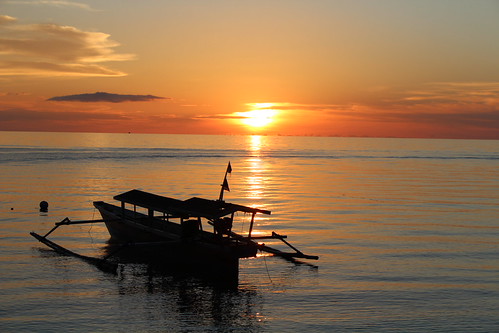
On the Togean Islands of Indonesia, the Bobongko language is still being spoken in homes, between neighbors and during community traditions.
That matters.
A language is more than a collection of words. It carries memories, belonging, humor, grief and the questions people ask about God and eternity. When a family speaks Bobongko, they are not speaking a research code. They are expressing life in the language that feels like home.
Now imagine that the Good News of Jesus has not yet become clearly available in that language.
Not as a sentence in a report. Not as a project marked “started.” But as a message a person can hear, understand and respond to.
That is the difference between beginning the work and completing the witness.
The promise of Acts 1:8
Jesus promised that the Holy Spirit would give His disciples power to be His witnesses from Jerusalem to Judea, Samaria and the uttermost part of the earth (Acts 1:8).
Acts 1:8 is not simply a verse about geography. It is the charter of the Church.
The Holy Spirit was given so that the witness of Jesus would keep moving. From the familiar to the unfamiliar. Across borders, cultures and languages. All the way to the people still living beyond a clear opportunity to hear.
Then, in Acts 2, people from many nations heard the mighty works of God in their own languages. Pentecost showed us something beautiful about the heart of God: He does not erase people to reach them. He meets them where they are and speaks so they can understand.
Every language matters because every person matters.
A living language waiting for more
Operation 326’s latest evidence review brought the Bobongko into clearer view.
OCFEP currently lists the Bobongko of Indonesia as Unreached. Public language data identifies approximately 2,100 speakers and reports that Bible translation has started. That is a reason for gratitude.
But the same public record reports no completed Bible portion, audio Bible, JESUS Film or Gospel recording yet available in Bobongko.
A newly published Indonesian study adds an important human dimension. It found that Bobongko continues to be used in family life, among neighbors, in kinship relationships and in traditional ceremonies. The language faces pressure from Indonesian, digital media and migration, but it remains a living voice within the community.
This is not only a translation question. It is a witness question.
Public sources cannot tell us everything. There may be believers, private ministry or translation work that is not visible online. Operation 326 will not declare an absence of witness from incomplete public information, and no official status is being changed from this research.
But we also cannot confuse “translation started” with “the Gospel has been heard.”
Started is a milestone. Heard is a person.
The Gospel must become accessible
The Great Commission is not fulfilled when a project appears on a list. It moves toward fulfillment when a person understands who Jesus is, receives the Gospel and can carry that witness to others.
Somewhere between “started” and “heard,” the Church must pray, translate, send, give, build relationships and remain faithful.
The goal is not merely to place words on a page. The goal is for a Bobongko person to encounter the living Christ.
The goal is not simply an outside visit. The goal is a witness that can take root locally, move from family to family and grow into a community of disciples.
Research can identify a gap. Only obedience can cross it.
What can we do?
First, pray.
Pray for everyone working to make Scripture understandable and accessible. Pray for accuracy, wisdom and endurance. Pray for Bobongko-speaking men and women who can communicate the Gospel naturally within their own families and relationships. Pray that Jesus will be known, not as a foreign idea, but as Savior and Lord.
Second, adopt the burden.
A church may never travel to the Togean Islands, but it can carry a people before God consistently. OCFEP provides pathways to pray for and sponsor remaining people groups through authorized opportunities. Adoption begins when a name stops being a statistic and becomes part of a church’s regular prayer.
Third, send and partner.
The final frontier will require translators, intercessors, pioneer witnesses, local partners, financial supporters and churches willing to release people. Some will go. Others will make the going possible. All can participate.
Finally, listen for your own Acts 1:8 assignment.
The ends of the earth are not an abstract idea. They are real communities where ordinary people live ordinary lives, often without an ordinary opportunity to hear the extraordinary news of Jesus.
God may use your prayer.
He may use your church.
He may use your profession, your giving or your willingness to go.
Until “started” becomes “heard”
We should thank God that translation is reported as started among the Bobongko. Every faithful beginning matters.
But the Church cannot stop at the beginning.
We continue until Scripture becomes accessible.
We continue until witness becomes understandable.
We continue until people have the opportunity to respond.
We continue until those who receive the Gospel can carry it to their own families and to the next generation.
Completion is not a database in which every field is filled. Completion is the Gospel reaching the ends of the earth through a Spirit-empowered witness.
For the Bobongko, and for every remaining people, our conviction remains the same:
Every person has a birthright to hear the Gospel at least once.
One Mission. One Movement. One Chance.
Karl Hargestam
Global Missions Director, Pentecostal Church of God
Founder, One Chance / Operation 326