“You will be my witnesses…to the ends of the earth.” — Acts 1:8
Some of the “ends of the earth” are not far from the world’s busiest routes. They can sit beside a strategic waterway, within sight of nations, commerce, and constant movement—yet remain without a clearly documented Gospel witness in the language people understand best.
This week, Operation 326 turns toward the Kumzari, a small language community connected to both Oman and Iran across the Strait of Hormuz. Their story brings the completion of Acts 1:8 into sharp focus. The remaining assignment is not only about distance. It is about identity, language, access, and whether every people has truly received one clear opportunity to hear.
What the research verifies
The OCFEP Operation 326 research inventory, our working source of truth, maintains two separate country records: Kumzari in Oman and Kumzari in Iran. Both are currently listed as Unreached. The Oman record is also publicly marked as a people for whom pioneer sponsorship is needed. No worker identities, routes, contacts, or operational details are included here.
External identity controls strengthen the match. Joshua Project’s Oman profile and its Iran record use the same PeopleID3—12849. Its language profile identifies Kumzari with ISO 639-3 code zum and lists two primary-language country records. Current population figures are estimates, not a census: approximately 6,200 in Oman and 700 in Iran.
That gives us a strong identity lock:
- PeopleID3: 12849
- ISO 639-3: zum
- Country records: Oman and Iran, kept separate
- Taxonomy confidence: high for the shared people-language identity; country-specific evidence still required for status decisions
This matters. One PeopleID and one language code do not permit us to collapse two country realities into one conclusion. A resource available on one shore may not be accessible on the other. A relationship, visit, or church report in one country does not automatically establish sustained witness in the other.
A language at the edge of access
The public evidence points to an important resource gap. Joshua Project currently reports translation needed for Kumzari, with no Scripture portions, New Testament, complete Bible, audio Bible, Jesus Film, or Gospel recordings listed. Find.Bible, a collaborative directory of the Forum of Bible Agencies, likewise shows no catalogued Kumzari Bible resource.
These directories are not proof that no resource exists anywhere. A project may be private, emerging, uncatalogued, or intentionally undisclosed. But two independent public directories showing no known resource create a responsible research conclusion: Kumzari heart-language access requires urgent verification.
The language itself also deserves careful attention. Glottolog classifies Kumzari as vulnerable, noting strong use in some home and traditional domains alongside increasing Arabic influence in education, media, government, religion, and public life. A 2024 open-access linguistic study similarly describes Kumzari as endangered because of its small population, traditionally unwritten status, and the dominance of Arabic in major social domains.
This is more than a language-preservation observation. For mission, it raises a deeply practical question: if the language is changing and no public Scripture or Gospel media is catalogued, how will this generation receive a clear, culturally intelligible witness?
Verified fact and faithful inference
Operation 326 must distinguish what we know from what we infer.
Verified: OCFEP lists Kumzari separately in Oman and Iran as Unreached. Joshua Project connects both country records to PeopleID3 12849 and ISO zum. Public resource directories currently list no Kumzari Scripture or major Gospel media. Linguistic sources describe the language as vulnerable or endangered.
Inference: the remaining gap may involve more than geography. It may include the absence of heart-language resources, limited access across a sensitive border region, and the need for country-specific witness and discipleship pathways.
Not concluded: this review does not declare a new engagement, change either country status, or prove that no private translation or Christian witness exists. Those conclusions require corroborated, current, country-specific evidence.
What completion requires next
The next research step is a discreet evidence audit for Oman and Iran separately. It should ask four questions without exposing people or operations:
- Is any Kumzari Scripture translation—written, oral, audio, or in development—currently known to trusted translation partners?
- Is Gospel media available in Kumzari but absent from public catalogues?
- Is there credible evidence of local believers, sustained witness, or an indigenous fellowship in either country record?
- What safe pathway could move from initial access to discipleship and indigenous multiplication?
The goal is not simply to add a file to a database. The goal is witness. Research should lead to prayer; prayer should lead to Spirit-directed sending; sending should lead to a clear Gospel opportunity; and that witness should lead toward a church able to carry the Gospel within its own people.
The ends of the earth are closer than they look
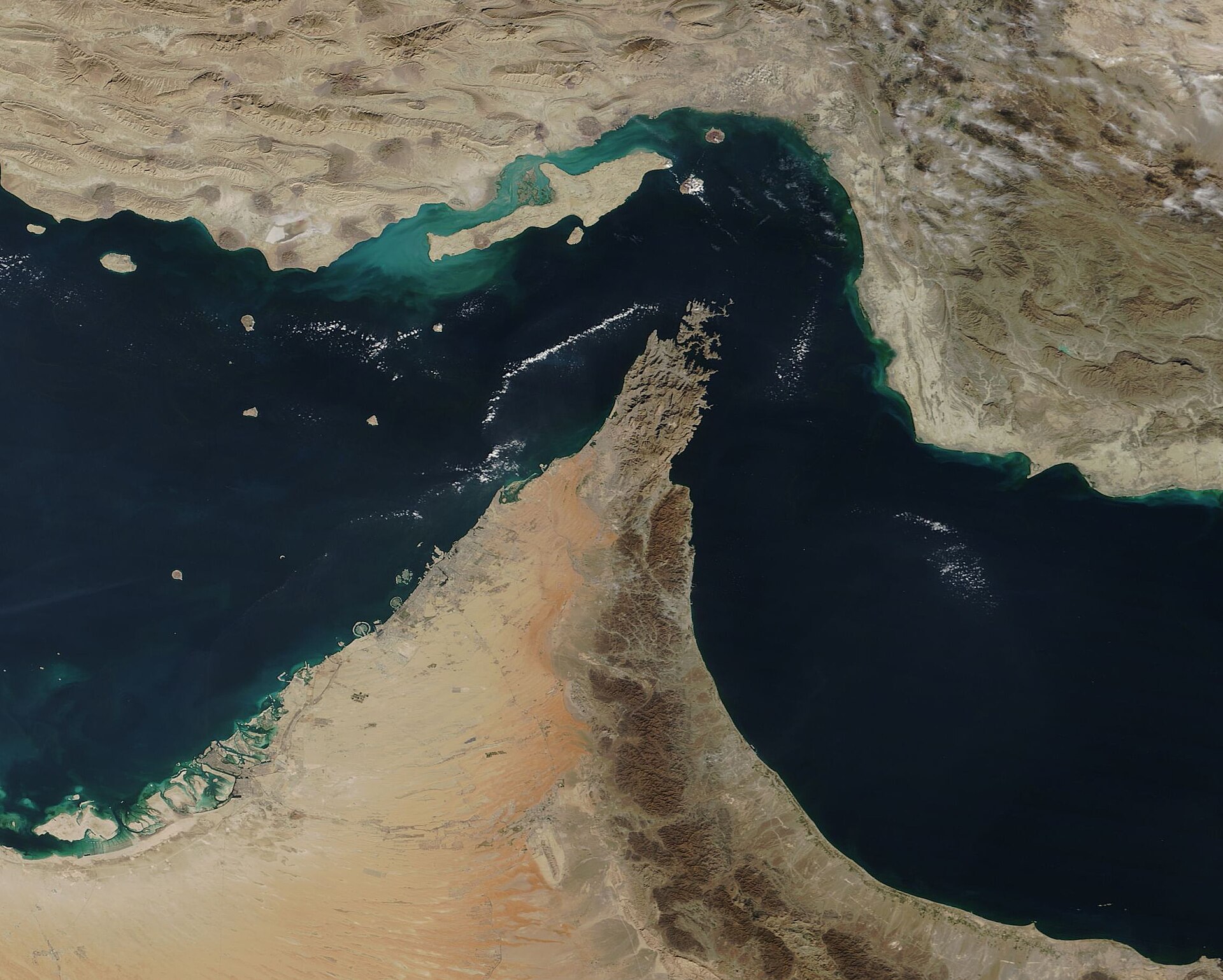
A satellite image can show the Strait of Hormuz in one frame: Iran to the north, the Musandam Peninsula to the south, and a narrow stretch of water between them. But Acts 1:8 teaches us that proximity is not the same as access. A people can live beside a global corridor and still wait for the good news in the language of home.
Every person has a birthright to hear the Gospel at least once. For the Kumzari, the evidence now gives the Church a clearer prayer and research assignment—one people-language identity, two country realities, and a heart-language resource gap that must be verified and addressed with wisdom.
We will not confuse urgency with haste. We will move urgently and accurately, protecting people, honoring evidence, and refusing to call the assignment finished before a credible witness exists.
One Mission. One Movement. One Chance.
Featured image: The Strait of Hormuz and Musandam Peninsula, where Kumzari-speaking communities are found on both sides of the water. NASA Terra/MODIS, public domain, via Wikimedia Commons. This is a contextual geographic image; it does not depict a specific people group or ministry activity.